
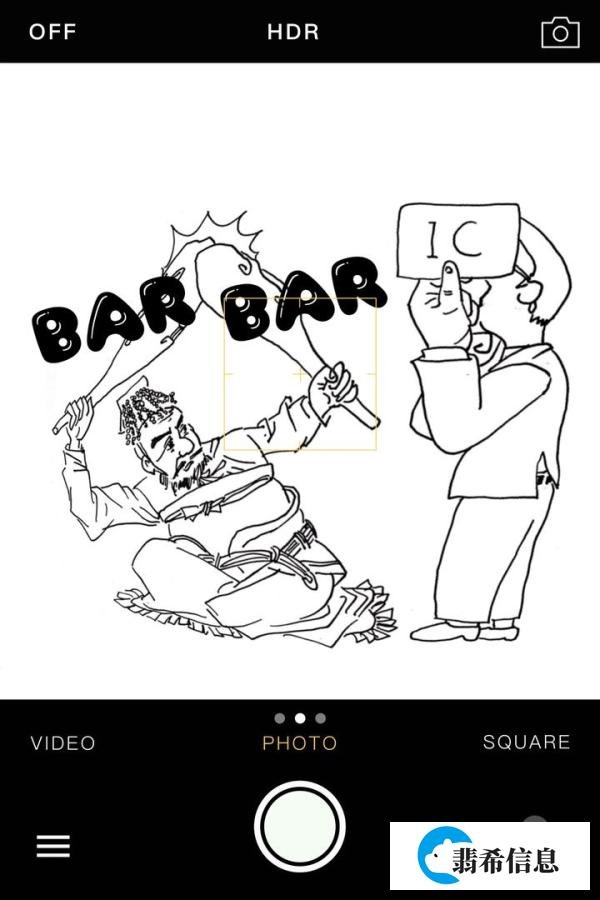
“barbaric”意为“野蛮的;残暴的”,通常用于形容人或行为,后缀“-ic”常用来构成形容词,表示与某类人或事物相关的特征。
词义与用法
形容人:指行为粗鲁、未开化或缺乏文明教养的人。例如:The barbaric tribe lived in the remote jungle, untouched by modern civilization.(这个野蛮部落生活在偏远的丛林中,未受现代文明影响。)
形容行为:指残忍、暴力或违背人道的行为。例如:The barbaric act of torturing prisoners shocked the international community.(虐待囚犯的残暴行为震惊了国际社会。)
近义词辨析
barbarous:与“barbaric”意思相近,但后缀“-ous”更常用于形容物或抽象概念,强调“原始的、野蛮的、残暴的”。例如:The barbarous conditions in the refugee camp highlighted the urgency of humanitarian aid.(难民营中原始的条件凸显了人道主义援助的紧迫性。)
savage:侧重于“未开化的、凶猛的”,可形容人或动物。例如:The savage attack by the wild animal left the hiker severely injured.(野生动物的凶猛袭击使徒步者身受重伤。)
cruel:强调“故意残忍的、冷酷的”,多用于形容行为或性格。例如:The cruel dictator ordered the execution of political opponents without trial.(残忍的独裁者未经审判下令处决政治对手。)
例句拓展
历史语境:The barbaric invasions of the nomadic tribes led to the collapse of the Roman Empire.(游牧部落的野蛮入侵导致了罗马帝国的崩溃。)
现代语境:The barbaric treatment of animals in the factory farm sparked widespread outrage.(工厂化农场中对动物的野蛮对待引发了广泛愤怒。)
学习建议
联想记忆:结合“barb”(棒)和“野蛮人”的意象,强化对“barbaric”词义的理解。
语境练习:通过阅读历史文献或新闻报道,观察“barbaric”如何描述暴力或原始行为,加深记忆。
近义词对比:区分“barbaric”“barbarous”“savage”“cruel”的用法差异,避免混淆。